NOI Denver Study Group · FOI · MGT-GCC
A place to work
A community to prosper
Land is the foundation. The purpose is a living community of families, producers, skilled workers, learners and customers building greater self-reliance together.
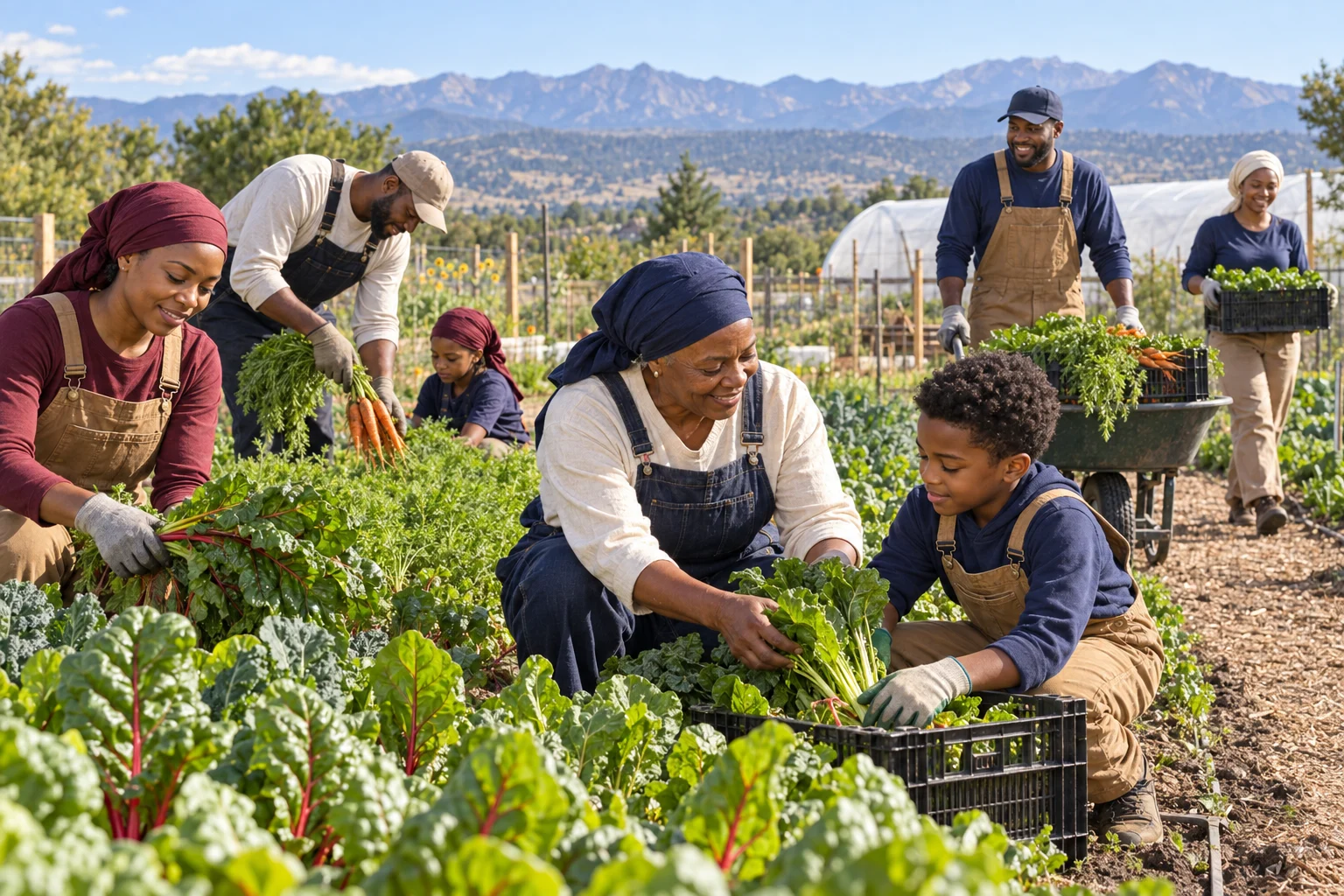
The farm & the family
Food grown by our community, for our community
Growing food brings generations together: elders teaching children, families sharing harvest work, and knowledge of the soil passing from one generation to the next. Our agricultural vision begins with useful food and practical participation, not acreage for its own sake.
Market gardens, seasonal crops and shared harvest work could supply community households while creating opportunities to learn production, handling and distribution. What we grow should be shaped by what people want to eat and buy, the land and water available, and the skills we can sustain.
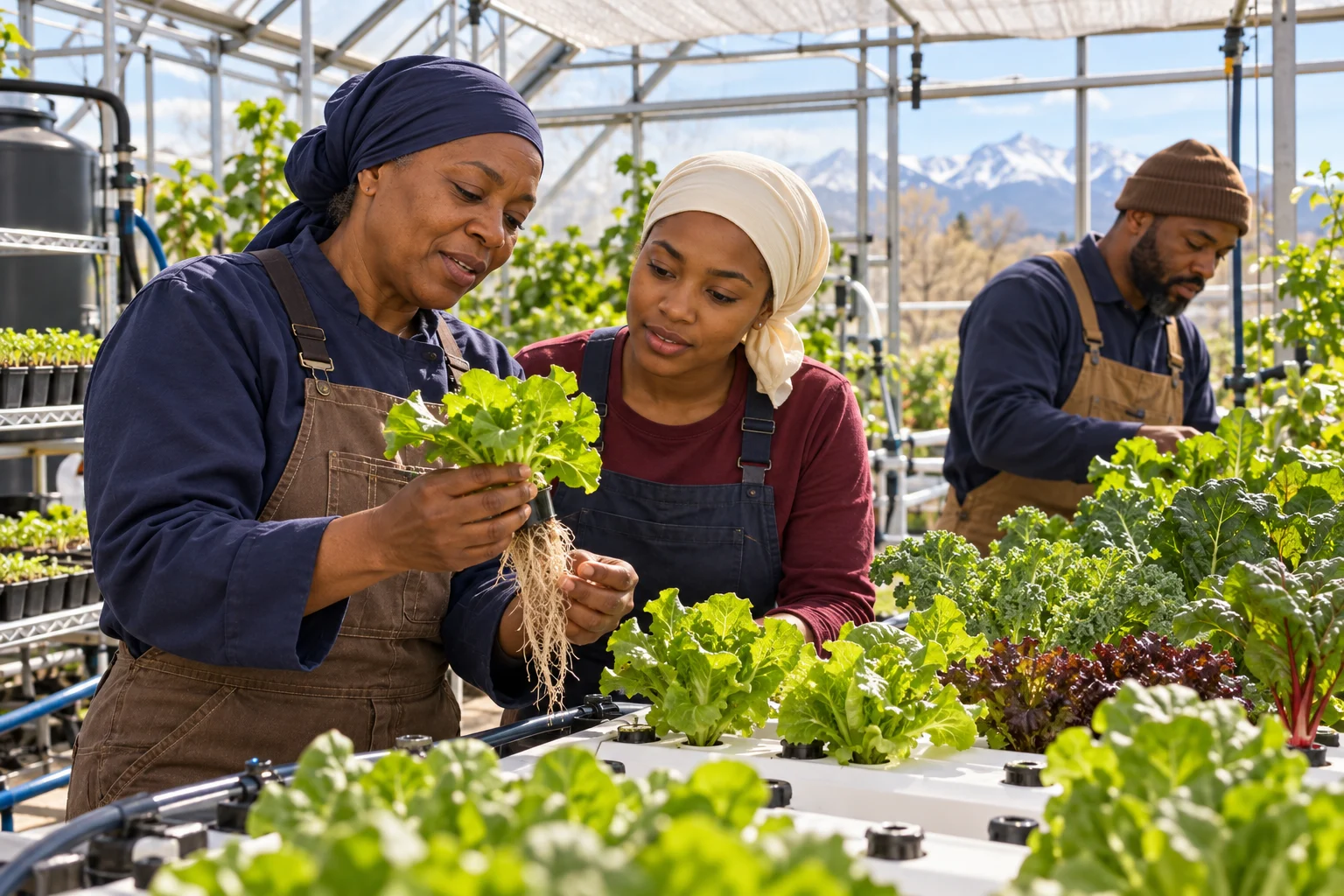
Greenhouses & knowledge
A place to learn, experiment and keep growing
A greenhouse can be more than a growing structure. It can be a working classroom where experienced growers and new learners develop the habits of observation, consistency and care. Seedlings, protected crops and carefully chosen growing systems could make that learning visible every day.
FOI and MGT-GCC participants bring knowledge, service and a willingness to learn to this shared effort. The right system must fit our water, energy, maintenance skills and customer demand. Technology should serve the community and be something our people can operate and repair.
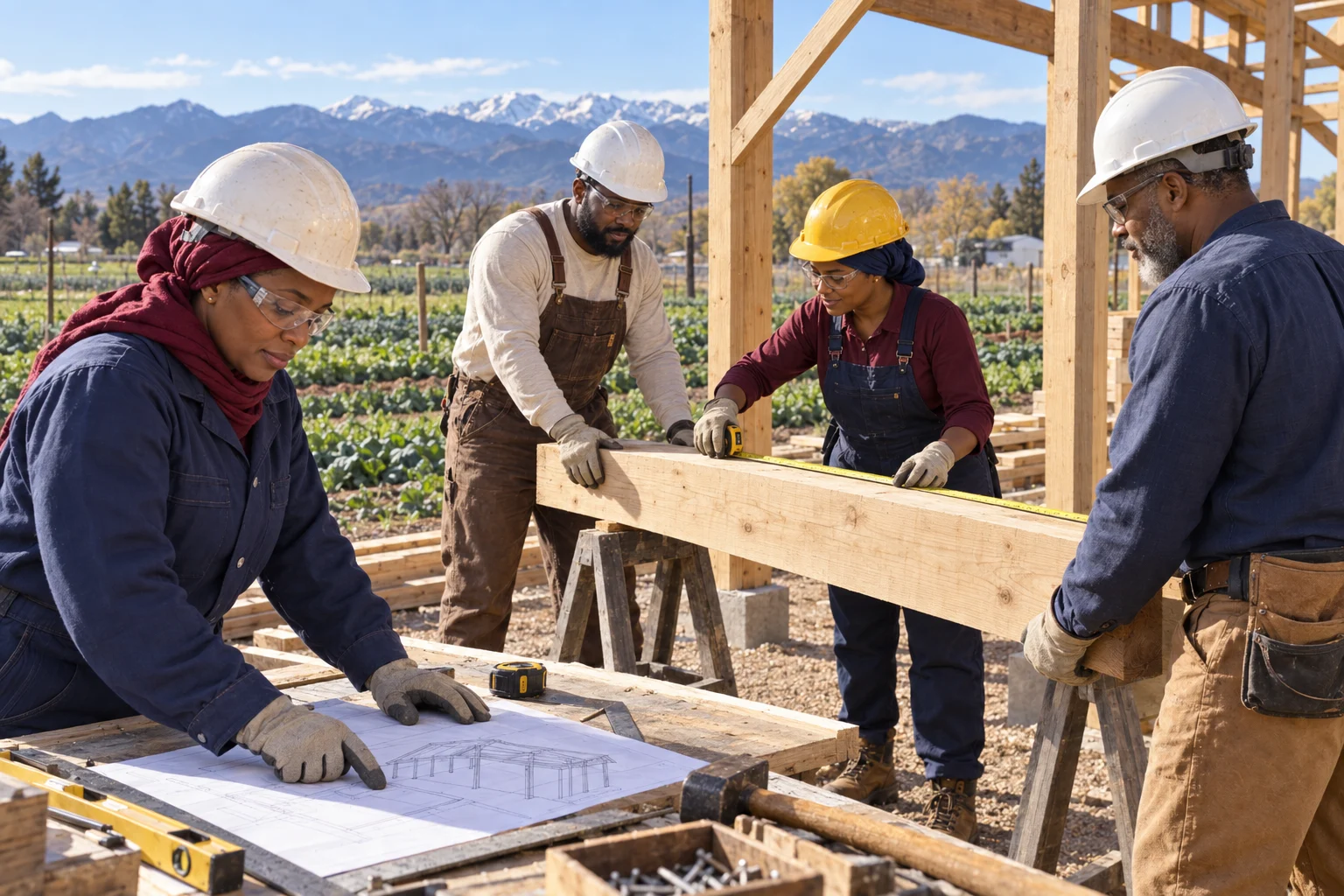
Skilled work & facilities
The skills to build it. The people to keep it working
Carpenters, electricians, plumbers, mechanics, administrators and people ready to learn all have a place in this work. A useful facility is the result of planning, skilled labor and ongoing maintenance—not simply a building that has been purchased.
A packing area, tool room, workshop or storage building could become shared resources that make production possible. Volunteers and professionals can offer their time and services through our skills register. Organizers will match offers to actual needs and agree on scope, supervision and arrangements before work begins.
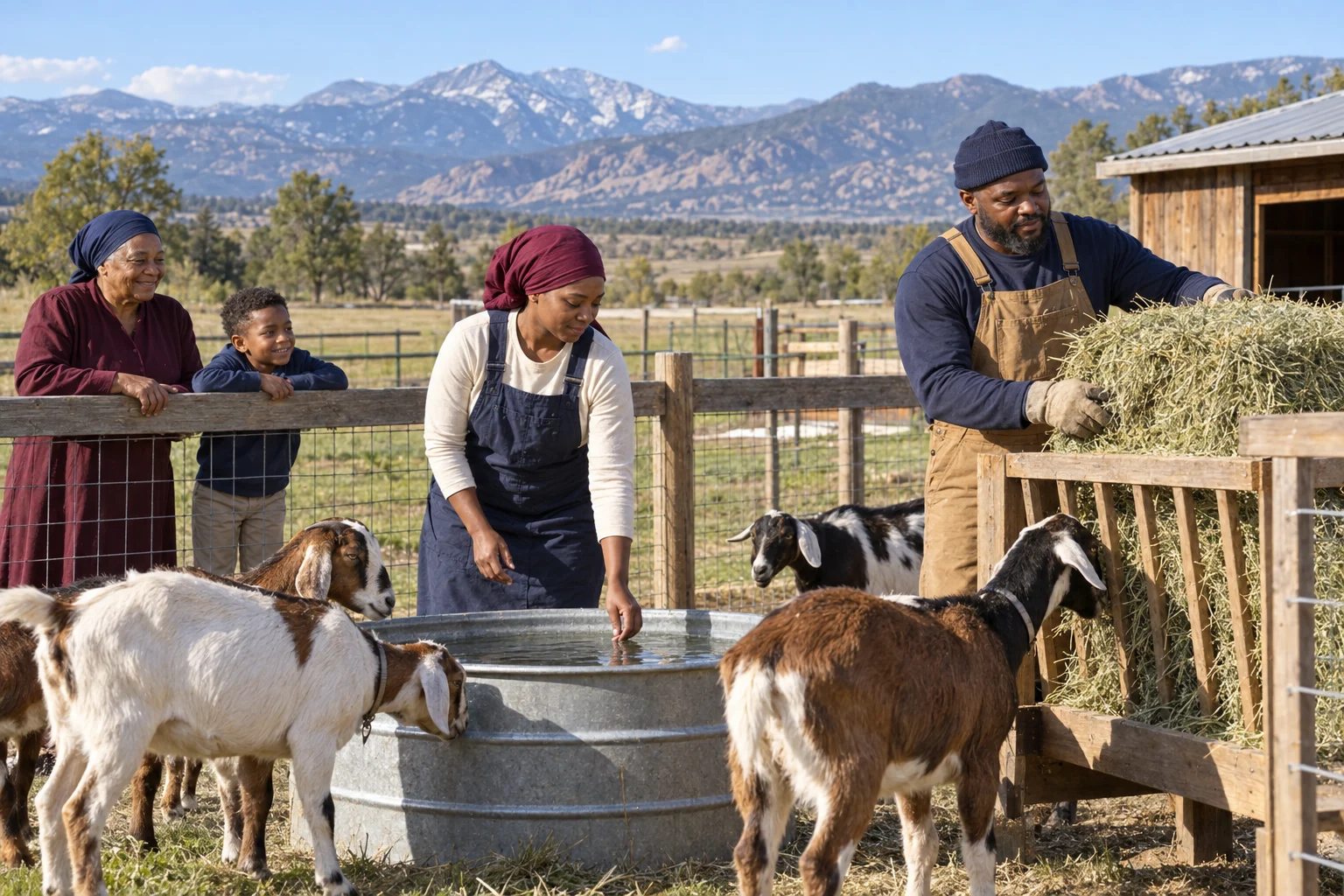
Animals & stewardship
Responsibility that is practiced every day
Where the property and operating plan allow, carefully selected livestock could add another dimension to community agriculture. Caring for animals teaches consistency: food, water, clean shelter and attention are daily responsibilities, not occasional activities.
Any animal program would need knowledgeable caretakers, suitable space, feed and veterinary budgets, and a dependable schedule throughout the year. Families could learn together through supervised activities while trained adults remain responsible for the animals and the facilities. The species and scale will depend on land suitability and the capacity to provide consistent care.
Customers & economic life
Our community is part of the market from the beginning
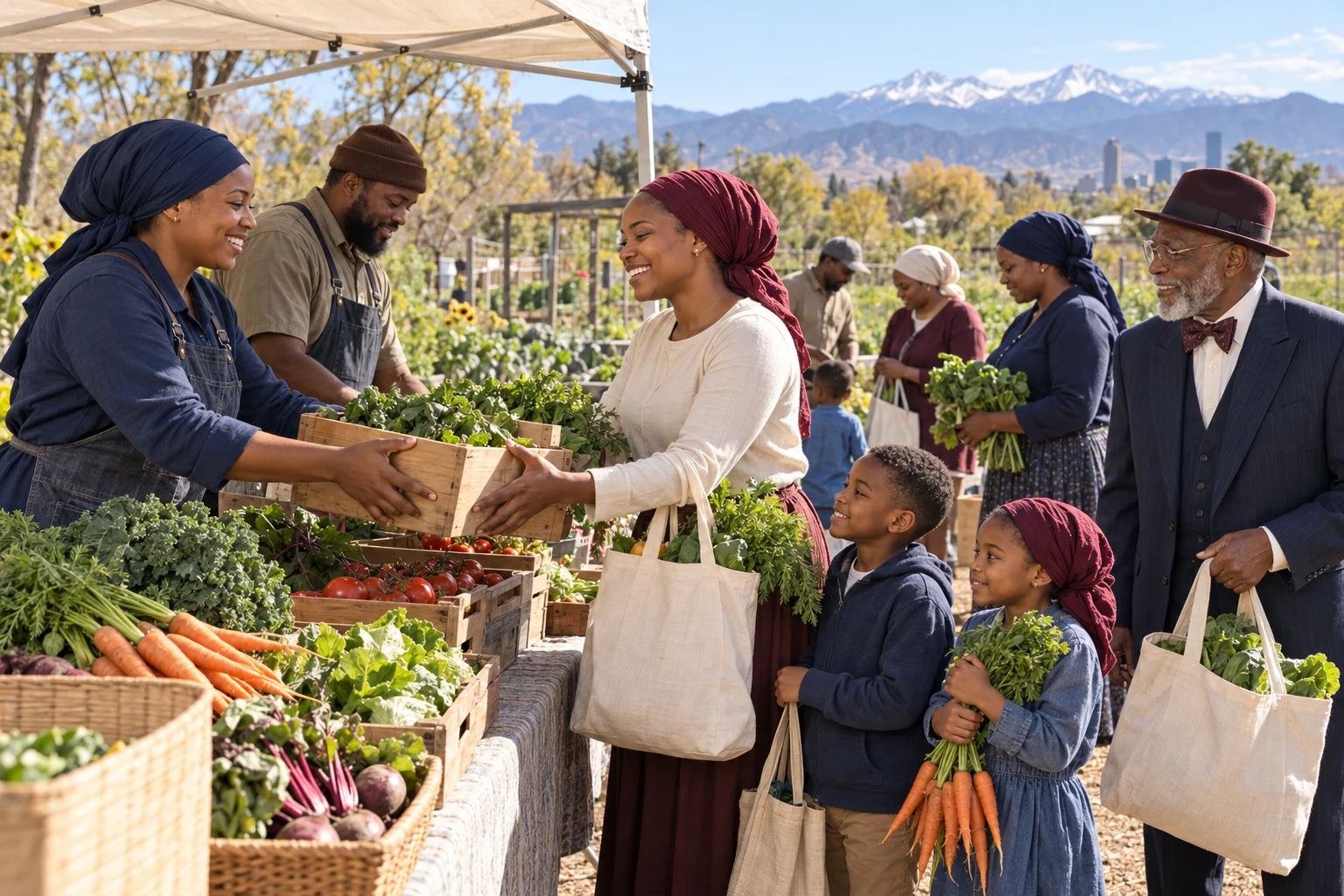
Families who do not contribute to the starting fund can still help sustain the enterprise by buying its produce and agricultural products. They are part of the community this project exists to serve. The relationship between our producers and our customers should shape decisions from the beginning.
Produce pickup, planned orders, community market days and distribution partnerships are possibilities to explore. We need to learn what people want, how often they would buy and what prices work for both households and the operation. Sales could help cover costs and support future growth; demand and surplus must be demonstrated rather than assumed.
Representation & continuity
Families anchor the work across generations
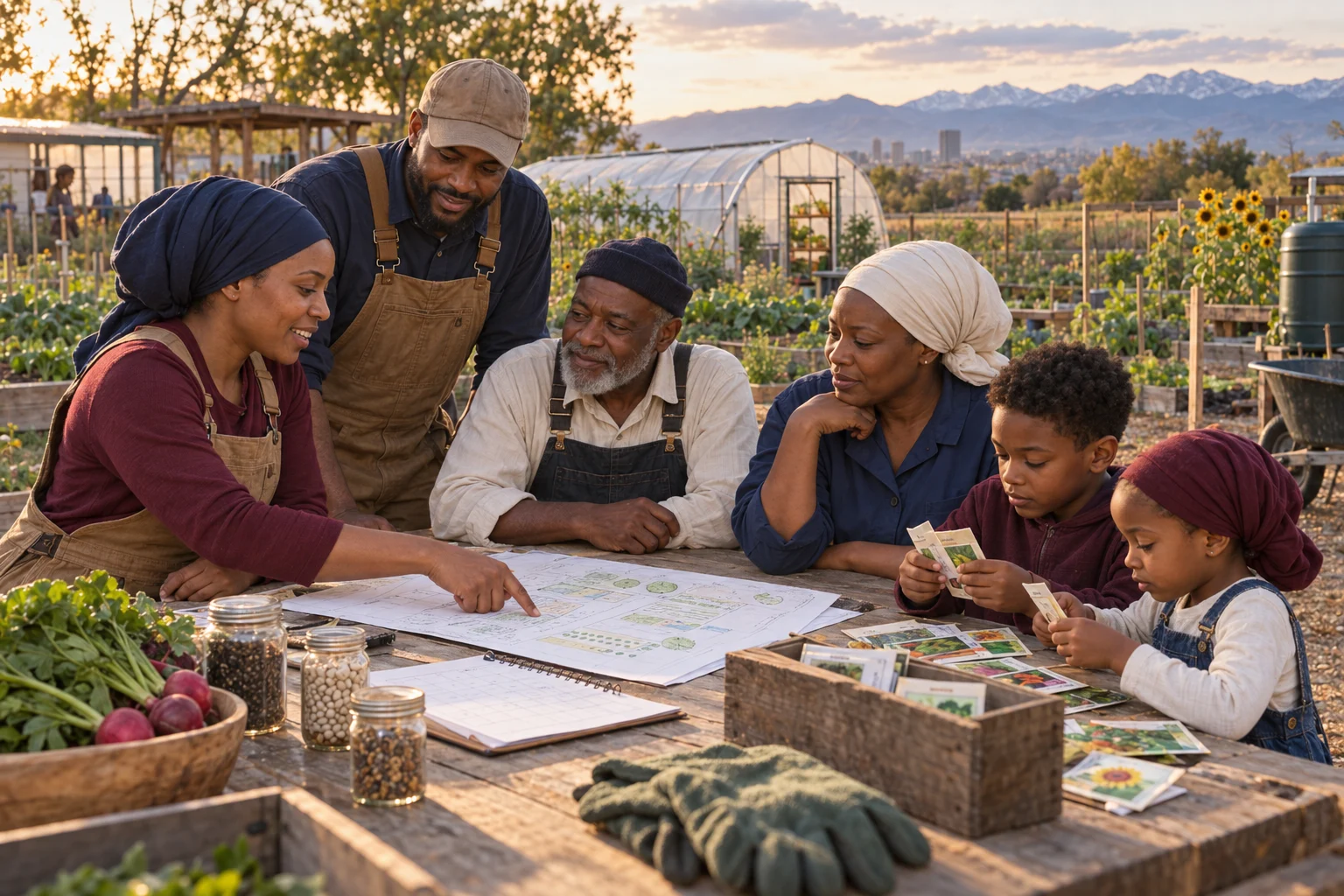
The goal of twenty core families is about a dependable foundation of representation and facility operations. Families bring people, judgment, relationships and continuity. Their role is to help ensure that the project is cared for, decisions are accountable and necessary work has responsible hands.
The broader community can participate through skills, service, learning, purchases and voluntary financial support. A durable trust and clear governing documents should support the mission over time. Phased housing belongs in the long-range plan alongside food production and shared resources, with feasibility and approvals established before promises are made.
Find your place in the work
You do not have to contribute money to contribute
Register your family, offer a skill or help organizers understand the products your household would buy. Our community is both the source of the work and the people it should serve.